Sleeperholic

Best Mattress for Lightweight Side Sleepers (2026)

Lightweight side sleepers combine two needs that both push toward soft: side sleeping requires the shoulder and hip to sink in for pressure relief, and a lighter body struggles to press into a mattress at all. The result is that this profile needs the softest beds of anyone — a nominal 3 to 5 out of 10 — because a firmer surface simply won't yield under a lighter frame, leaving the shoulder and hip propped up and aching. Plush, deeply conforming comfort layers are essential so the narrow side-sleeping contact points can actually sink and the spine can stay level. Support-core strength barely registers here, so you can chase softness and pressure relief without worrying about bottoming out.

Disclosure: This post may contain affiliate links. If you purchase through these links, we may earn a small commission at no extra cost to you.

Our top picks

Top PickHybridPremium

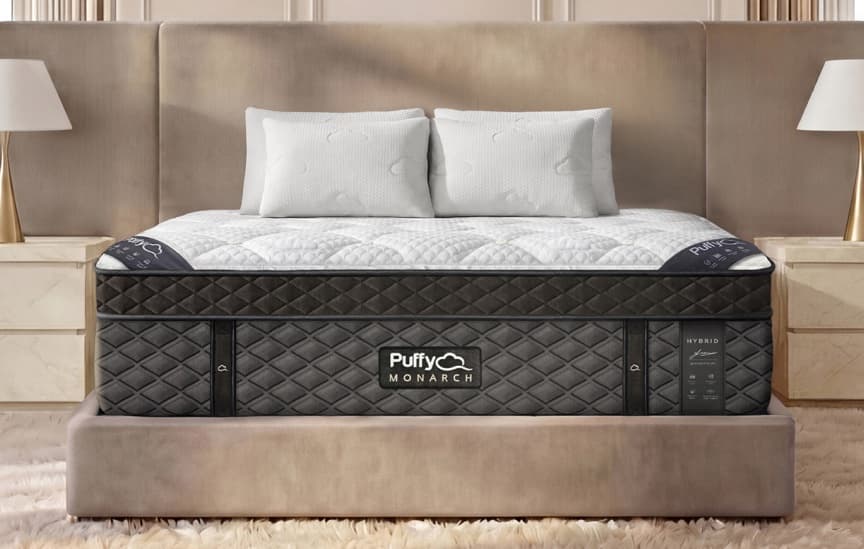
Puffy Monarch Hybrid Mattress

Why it fits: deep pressure relief for lighter-weight side sleepers.

Pros

  • Best-in-lineup edge support (9.5/10 tested) from a reinforced 6" coil + 1.5" support-foam perimeter
  • Tested up to 300 lb with "outstanding" pressure relief across sleep positions
  • A latex response layer adds real bounce most all-foam luxury beds lack

Cons

  • NapLab found "slow material responsiveness" — noticeably harder to reposition or change positions quickly than Lux Hybrid
  • Off-gassing lasted 18 days in testing
  • Its own overall NapLab performance score (8.23) ranks below the site average and below Puffy's own cheaper Lux Hybrid — a weak value story at this price
Best ValueHybridBudget

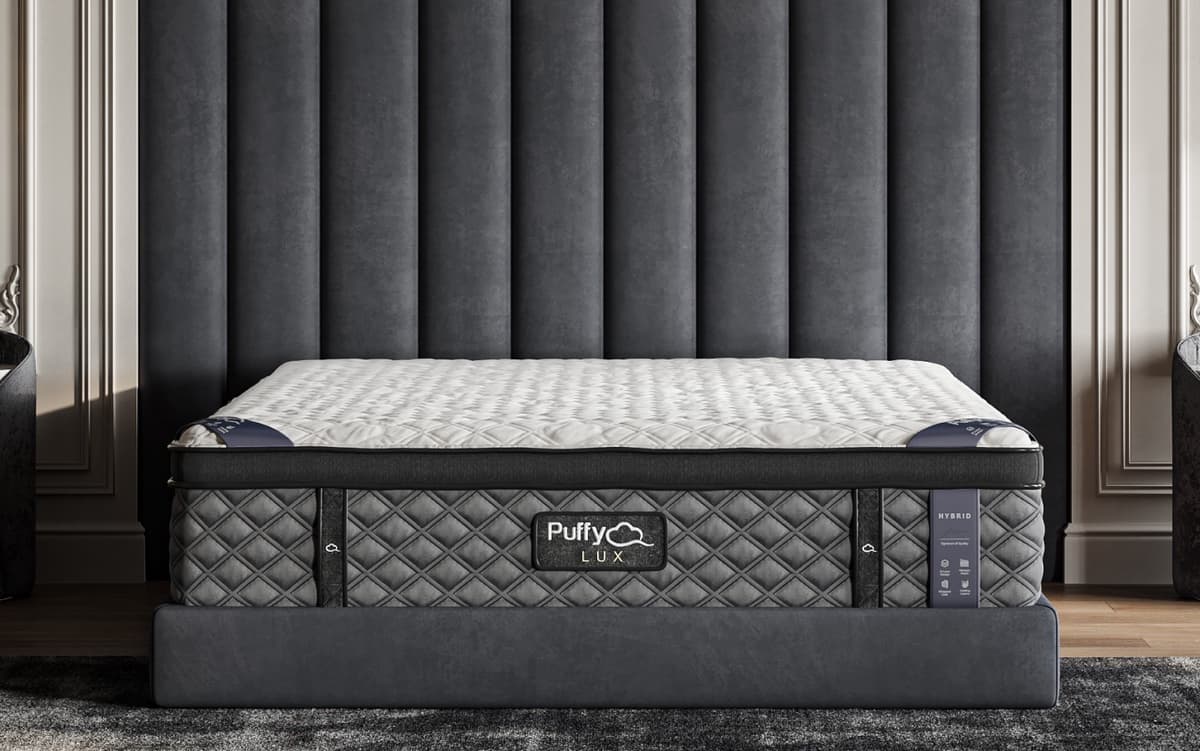
Puffy Lux Hybrid Mattress

Why it fits: deep pressure relief for lighter-weight side sleepers.

Pros

  • NapLab-tested 10/10 pressure relief and 9/10 cooling — not just Puffy's own claims
  • Wrapped coils are rated to support up to 300 lb per side across all sleep positions
  • Holds up well at the edge (8.7/10 tested) despite the plush medium feel

Cons

  • Off-gassing lasted 23 days in independent testing — well above the 7-day average for the category
  • Motion transfer is only middling for a hybrid (7.4/10) — restless co-sleepers may still notice movement
  • At $799 it sits right at the budget/mid price boundary; Puffy's own sale pricing shifts often
Also ConsiderHybridMid-range

Puffy Royal Hybrid Mattress

Why it fits: deep pressure relief for lighter-weight side sleepers.

Pros

  • A 7" comfort layer (vs. a 4.1" category average) gives genuinely dramatic contouring — tested "outstanding" pressure relief in every sleep position
  • Independent testing found it suitable for all body weights, not just lighter sleepers
  • Wool-blend cover absorbs up to 30% moisture for a measurably drier sleep surface

Cons

  • Thick foam comfort layers compress at the perimeter — testers found it "moderately challenging" to sit on the edge
  • 14" profile is heavier and slower to reposition on than Puffy's firmer, thinner tiers
  • A real step up in price over Lux Hybrid for what's mostly incremental thickness/plushness
AlternativeHybridPremium

Puffy Legacy Hybrid Mattress

Why it fits: deep pressure relief for lighter-weight side sleepers.

Pros

  • Horsehair NobleAire layer measured 2–3°F cooler than the already-cool Royal Hybrid in third-party testing — best temperature regulation in the lineup
  • Removable cashmere-wool cover over Talalay latex and memory-foam comfort layers
  • Handcrafted in the USA, 365-night trial, lifetime warranty

Cons

  • $4,899 queen price is roughly 2.5x the Monarch, with no independent NapLab/Sleep Doctor lab data yet to verify Puffy's own performance claims
  • Only one firmness offered — no option to tune feel like the rest of the lineup implicitly allows via body-weight variance
  • At roughly 150 lb for a queen, it's genuinely awkward to reposition or rotate without help
AlternativeMemory foamBudget

Puffy Cloud Mattress

Why it fits: deep pressure relief for lighter-weight side sleepers.

Pros

  • Cheapest way into the Puffy lineup — NapLab's tested top-10 memory-foam performer (8.87/10 overall)
  • Gel foam + poly foam comfort layers genuinely sleep cool for an all-foam bed, not just marketing copy
  • Excellent motion isolation for co-sleepers — no coil bounce to transfer movement
  • 365-night trial, free shipping/returns, lifetime warranty

Cons

  • NapLab explicitly cautions it's not ideal for sleepers over ~250 lb — only a 6" support core under 4" of comfort foam
  • All-foam construction sinks and responds more slowly than Puffy's hybrid tiers
  • No coil-reinforced edge, despite a good tested edge-support score — heavier weight at the perimeter still compresses more than a hybrid

Compare these mattresses

Comparison of the recommended mattresses
MattressTypeFirmnessPriceStands out for
Puffy Monarch Hybrid MattressHybrid4–6/10PremiumPressure relief
Puffy Lux Hybrid MattressHybrid5–6/10BudgetPressure relief
Puffy Royal Hybrid MattressHybrid4–6/10Mid-rangePressure relief
Puffy Legacy Hybrid MattressHybrid5–6/10PremiumCooling
Puffy Cloud MattressMemory foam4–6/10BudgetCooling

What to look for

Choose a genuinely soft bed — 3 to 5 out of 10

This profile needs the softest surface of any. Side sleeping already demands give at the shoulder and hip, and a lighter body can't force its way into a firmer bed, so a nominal 3 to 5 is the range where the pressure points actually sink in. A medium bed that suits an average side sleeper will feel firm and leave a lightweight side sleeper's shoulder aching.

Deep, plush conforming comfort layers

You need materials soft enough to cradle a light body at the narrowest contact points, so look for a thick plush memory foam or pillow-top comfort layer. The shoulder and hip have to be able to drop in for the spine to stay level; a thin or firm comfort layer barely compresses under a lighter frame and leaves those points unsupported and sore.

Don't overpay for heavy-duty support

Because a lighter body won't compress a support core meaningfully, robust coils and high-density bases add durability you may not need and firmness you actively don't want. Bottoming out and sagging are unlikely concerns for you. Spend your budget on a soft, high-quality comfort layer rather than the heavy-duty core a heavier side sleeper would require.

Frequently asked questions

What is the best mattress for a lightweight side sleeper?

A soft, deeply conforming mattress, a nominal 3 to 5 out of 10, with a thick plush comfort layer. A lighter side sleeper needs the softest surface of any profile because a firmer bed won't yield under their weight, leaving the shoulder and hip propped up. Prioritize pressure relief and a soft feel over support-core strength.

Is a soft mattress bad for a light side sleeper?

Not at all — it's usually exactly what they need. The concern with soft mattresses is that they let heavier bodies sink too far, but a lightweight side sleeper doesn't generate that much force, so a soft bed cradles the shoulder and hip without letting the spine sag. Softness that would be too much for a heavier person is often ideal here.

Why do my hips and shoulders still hurt on a medium mattress?

If you're a lighter side sleeper, a medium mattress is probably too firm for you. You don't weigh enough to press into it, so the shoulder and hip rest on a surface that won't yield and take concentrated pressure. Dropping to a genuinely soft bed, around 3 to 5, lets those points sink in and clears the pressure.

Keep exploring