Sleeperholic

Best Mattress for Side Sleepers with Shoulder Pain (2026)

Shoulder pain when you sleep on your side is usually a sign the mattress won't let the shoulder drop in — the joint gets propped up on a too-firm surface, so your body weight presses it into the bed and pinches the soft tissue and circulation all night. The fix is a soft, deeply conforming comfort layer, roughly 4 to 6 on the firmness scale with at least 3 to 4 inches of plush foam, so the shoulder can sink into the mattress rather than resting on top of it. Zoned designs that soften specifically at the shoulder while keeping the waist supported help even more. If the ache lingers after a few weeks on a properly cushioning bed, it's worth seeing a clinician, since chronic shoulder pain can have causes a mattress alone won't resolve.

Disclosure: This post may contain affiliate links. If you purchase through these links, we may earn a small commission at no extra cost to you.

Our top picks

Top PickHybridPremium

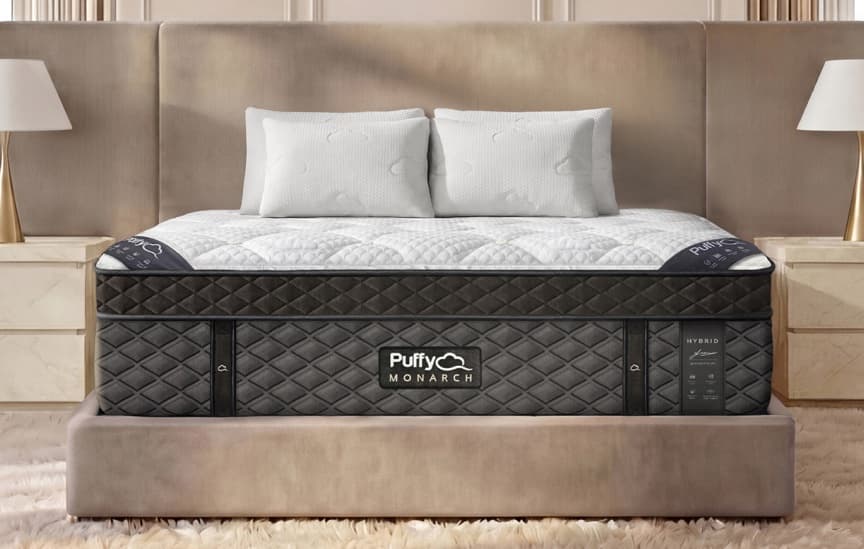
Puffy Monarch Hybrid Mattress

Why it fits: deep pressure relief for shoulder-pain side sleepers.

Pros

  • Best-in-lineup edge support (9.5/10 tested) from a reinforced 6" coil + 1.5" support-foam perimeter
  • Tested up to 300 lb with "outstanding" pressure relief across sleep positions
  • A latex response layer adds real bounce most all-foam luxury beds lack

Cons

  • NapLab found "slow material responsiveness" — noticeably harder to reposition or change positions quickly than Lux Hybrid
  • Off-gassing lasted 18 days in testing
  • Its own overall NapLab performance score (8.23) ranks below the site average and below Puffy's own cheaper Lux Hybrid — a weak value story at this price
Best ValueHybridBudget

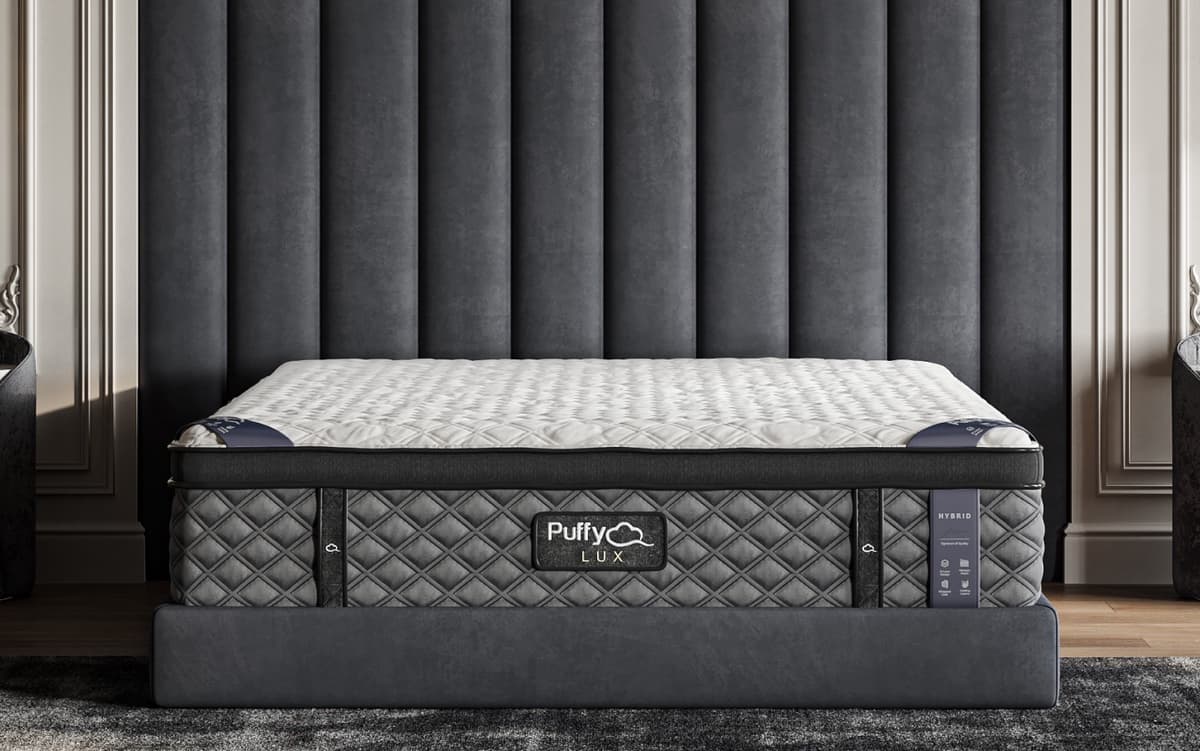
Puffy Lux Hybrid Mattress

Why it fits: deep pressure relief for shoulder-pain side sleepers.

Pros

  • NapLab-tested 10/10 pressure relief and 9/10 cooling — not just Puffy's own claims
  • Wrapped coils are rated to support up to 300 lb per side across all sleep positions
  • Holds up well at the edge (8.7/10 tested) despite the plush medium feel

Cons

  • Off-gassing lasted 23 days in independent testing — well above the 7-day average for the category
  • Motion transfer is only middling for a hybrid (7.4/10) — restless co-sleepers may still notice movement
  • At $799 it sits right at the budget/mid price boundary; Puffy's own sale pricing shifts often
Also ConsiderHybridMid-range

Puffy Royal Hybrid Mattress

Why it fits: deep pressure relief for shoulder-pain side sleepers.

Pros

  • A 7" comfort layer (vs. a 4.1" category average) gives genuinely dramatic contouring — tested "outstanding" pressure relief in every sleep position
  • Independent testing found it suitable for all body weights, not just lighter sleepers
  • Wool-blend cover absorbs up to 30% moisture for a measurably drier sleep surface

Cons

  • Thick foam comfort layers compress at the perimeter — testers found it "moderately challenging" to sit on the edge
  • 14" profile is heavier and slower to reposition on than Puffy's firmer, thinner tiers
  • A real step up in price over Lux Hybrid for what's mostly incremental thickness/plushness
AlternativeHybridPremium

Puffy Legacy Hybrid Mattress

Why it fits: deep pressure relief for shoulder-pain side sleepers.

Pros

  • Horsehair NobleAire layer measured 2–3°F cooler than the already-cool Royal Hybrid in third-party testing — best temperature regulation in the lineup
  • Removable cashmere-wool cover over Talalay latex and memory-foam comfort layers
  • Handcrafted in the USA, 365-night trial, lifetime warranty

Cons

  • $4,899 queen price is roughly 2.5x the Monarch, with no independent NapLab/Sleep Doctor lab data yet to verify Puffy's own performance claims
  • Only one firmness offered — no option to tune feel like the rest of the lineup implicitly allows via body-weight variance
  • At roughly 150 lb for a queen, it's genuinely awkward to reposition or rotate without help
AlternativeMemory foamBudget

Puffy Cloud Mattress

Why it fits: deep pressure relief for shoulder-pain side sleepers.

Pros

  • Cheapest way into the Puffy lineup — NapLab's tested top-10 memory-foam performer (8.87/10 overall)
  • Gel foam + poly foam comfort layers genuinely sleep cool for an all-foam bed, not just marketing copy
  • Excellent motion isolation for co-sleepers — no coil bounce to transfer movement
  • 365-night trial, free shipping/returns, lifetime warranty

Cons

  • NapLab explicitly cautions it's not ideal for sleepers over ~250 lb — only a 6" support core under 4" of comfort foam
  • All-foam construction sinks and responds more slowly than Puffy's hybrid tiers
  • No coil-reinforced edge, despite a good tested edge-support score — heavier weight at the perimeter still compresses more than a hybrid

Compare these mattresses

Comparison of the recommended mattresses
MattressTypeFirmnessPriceStands out for
Puffy Monarch Hybrid MattressHybrid4–6/10PremiumPressure relief
Puffy Lux Hybrid MattressHybrid5–6/10BudgetPressure relief
Puffy Royal Hybrid MattressHybrid4–6/10Mid-rangePressure relief
Puffy Legacy Hybrid MattressHybrid5–6/10PremiumCooling
Puffy Cloud MattressMemory foam4–6/10BudgetCooling

What to look for

Let the shoulder sink, don't perch it

Shoulder pain on your side almost always means the comfort layer is too firm or too thin, so the joint props up and takes concentrated pressure. Aim for a soft 4 to 6 feel with at least 3 to 4 inches of plush memory foam or gel foam, which lets the shoulder drop in and spreads the load off the joint instead of pinning it against the surface.

Zoned shoulder relief is worth seeking out

Some beds soften specifically at the shoulder zone while keeping the lumbar section firmer. That targeted give lets the shoulder sink deeper than the rest of the body, which is exactly what a shoulder-pain sufferer needs — pressure relief right where it hurts without letting the hips or waist sag out of alignment.

A soft topper can retrofit a too-firm bed

If your current mattress is otherwise fine but hard at the shoulder, a 2 to 3 inch soft memory foam topper is a low-cost way to add the sink you're missing before committing to a whole new bed. It won't fix a genuinely sagging mattress, but it can turn a surface that's simply too firm into one that cradles the shoulder.

Frequently asked questions

Why does my shoulder hurt when I sleep on my side?

Most side-sleeping shoulder pain comes from a mattress too firm to let the shoulder sink in, so your body weight compresses the joint against an unyielding surface and cuts circulation. A softer comfort layer of 3 to 4 inches lets the shoulder drop into the bed and spreads the load, which usually clears the pressure. If it persists, have a clinician rule out a rotator-cuff or joint issue.

What mattress firmness is best for shoulder pain from side sleeping?

A soft to medium-soft feel, around 4 to 6 out of 10, with a thick conforming comfort layer. That range lets the shoulder sink deep enough to relieve the joint while still supporting the rest of the body. Lighter sleepers should lean toward the softer end, since they don't press as far into the surface.

Will a mattress topper help shoulder pain for side sleepers?

Often, yes — if the problem is a mattress that's too firm rather than one that's worn out. A 2 to 3 inch soft memory foam topper adds sink at the shoulder so the joint isn't pressed into a hard surface. It won't rescue a sagging bed, but it's a cheap way to add pressure relief to one that's simply too hard.

Keep exploring