Sleeperholic

Best Guest Room Mattress (2026)

A guest room mattress is an economics problem more than a comfort one: it's slept on a handful of nights a year by people whose size, position, and preferences you can't predict, so the goal is broad acceptability rather than a perfect match for one body. A universal medium feel, around 5.5 to 6, is the safest bet because it works passably for side, back, and stomach sleepers of most weights — no guest will love it, but none will hate it. Because total use is low, you can prioritize value, but don't go so cheap that the bed sags or off-gasses; a mid-tier bed-in-a-box hits the sweet spot. If the room doubles as storage or flexes in use, foldable or thinner options trade some comfort for practicality.

Disclosure: This post may contain affiliate links. If you purchase through these links, we may earn a small commission at no extra cost to you.

Our top picks

Top PickHybridBudget

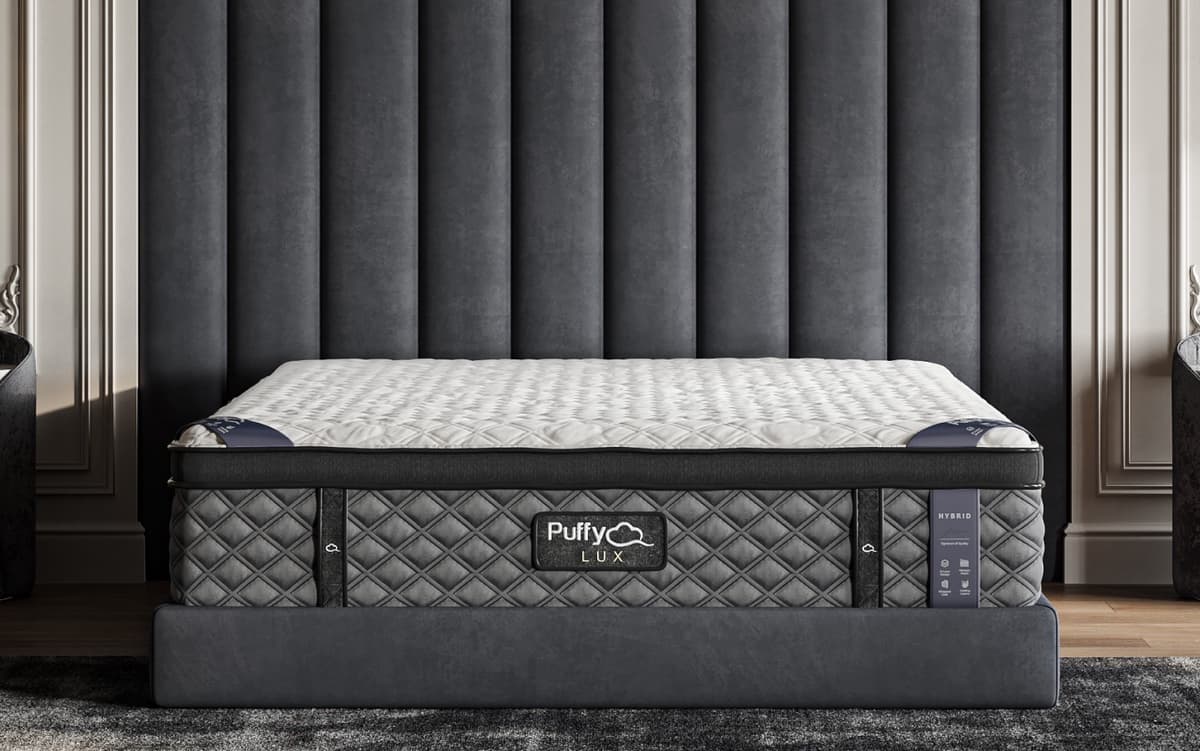
Puffy Lux Hybrid Mattress

Why it fits: deep pressure relief for combination sleepers.

Pros

  • NapLab-tested 10/10 pressure relief and 9/10 cooling — not just Puffy's own claims
  • Wrapped coils are rated to support up to 300 lb per side across all sleep positions
  • Holds up well at the edge (8.7/10 tested) despite the plush medium feel

Cons

  • Off-gassing lasted 23 days in independent testing — well above the 7-day average for the category
  • Motion transfer is only middling for a hybrid (7.4/10) — restless co-sleepers may still notice movement
  • At $799 it sits right at the budget/mid price boundary; Puffy's own sale pricing shifts often
Also ConsiderHybridMid-range

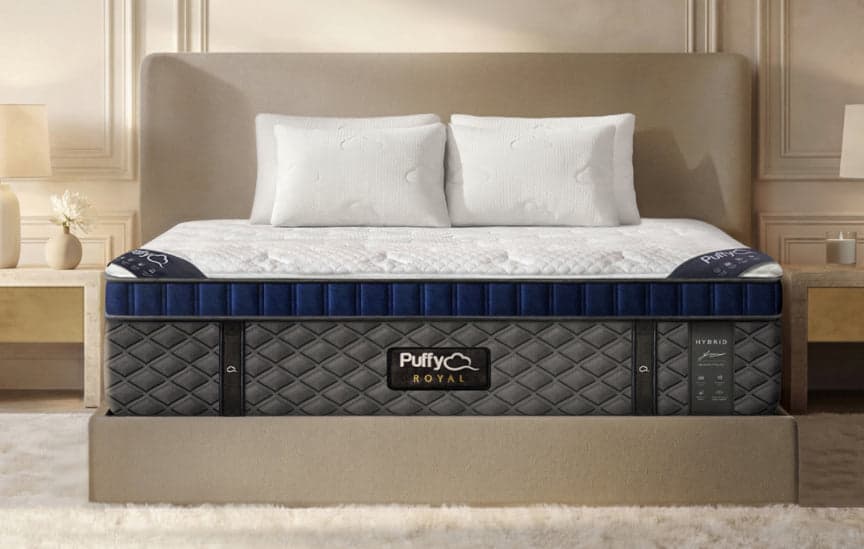
Puffy Royal Hybrid Mattress

Why it fits: deep pressure relief for combination sleepers.

Pros

  • A 7" comfort layer (vs. a 4.1" category average) gives genuinely dramatic contouring — tested "outstanding" pressure relief in every sleep position
  • Independent testing found it suitable for all body weights, not just lighter sleepers
  • Wool-blend cover absorbs up to 30% moisture for a measurably drier sleep surface

Cons

  • Thick foam comfort layers compress at the perimeter — testers found it "moderately challenging" to sit on the edge
  • 14" profile is heavier and slower to reposition on than Puffy's firmer, thinner tiers
  • A real step up in price over Lux Hybrid for what's mostly incremental thickness/plushness
Best ValueMemory foamBudget

Puffy Cloud Mattress

Why it fits: deep pressure relief for combination sleepers.

Pros

  • Cheapest way into the Puffy lineup — NapLab's tested top-10 memory-foam performer (8.87/10 overall)
  • Gel foam + poly foam comfort layers genuinely sleep cool for an all-foam bed, not just marketing copy
  • Excellent motion isolation for co-sleepers — no coil bounce to transfer movement
  • 365-night trial, free shipping/returns, lifetime warranty

Cons

  • NapLab explicitly cautions it's not ideal for sleepers over ~250 lb — only a 6" support core under 4" of comfort foam
  • All-foam construction sinks and responds more slowly than Puffy's hybrid tiers
  • No coil-reinforced edge, despite a good tested edge-support score — heavier weight at the perimeter still compresses more than a hybrid
AlternativeLatexMid-range

Eco Terra 11" Medium-Firm Luxury Latex Mattress

Why it fits: deep pressure relief for combination sleepers.

Pros

  • 100% natural latex over fabric-encased coils — no "quicksand" sink-in feel typical of all-foam budget beds
  • Latex sleeps meaningfully cooler than memory foam without needing a gel infusion
  • Organic cotton cover, with repeat appearances across two of the site's roundups

Cons

  • Costs more than this catalog's budget latex option (LUCID) for a similarly latex-hybrid construction
  • Latex's natural bounce transfers more motion than memory foam — a factor for light sleepers sharing a bed
  • Only offered in one firmness tier for this listing — no soft option
AlternativeLatexMid-range

Overweight Bariatric Mattress

Why it fits: deep pressure relief for combination sleepers.

Pros

  • The single clearest "built for 300–400 lb sleepers" pick in the entire catalog — 5" Talalay latex over high-resiliency support foam
  • Custom built-to-order to account for the sleeper's specific weight and firmness needs
  • Highest heavy-support score in the catalog, by design and construction, not just marketing

Cons

  • Firm-only positioning is a poor fit for anyone wanting a plush or soft feel
  • Custom/build-to-order likely means a longer lead time than the off-the-shelf mattresses in this catalog
  • The original ASIN this catalog referenced (B00IQFGBZO) is delisted — replaced with the brand's current live Queen listing (verified 2026-07-09)

Compare these mattresses

Comparison of the recommended mattresses
MattressTypeFirmnessPriceStands out for
Puffy Lux Hybrid MattressHybrid5–6/10BudgetPressure relief
Puffy Royal Hybrid MattressHybrid4–6/10Mid-rangePressure relief
Puffy Cloud MattressMemory foam4–6/10BudgetCooling
Eco Terra 11" Medium-Firm Luxury Latex MattressLatex6–7/10Mid-rangeCooling
Overweight Bariatric MattressLatex8–9/10Mid-rangeHeavy-body support

What to look for

Choose a universal medium feel

Since you can't predict who's sleeping on it, a medium around 5.5 to 6 is the most broadly acceptable choice — it supports back and stomach sleepers reasonably while still cushioning side sleepers, across most body weights. Avoid firm or soft extremes, which serve one profile well but leave the rest of your guests uncomfortable.

Value, but not the very bottom tier

Low usage justifies spending less than on your own bed, but the cheapest mattresses sag within a year or two and can off-gas noticeably in a closed guest room. A mid-tier bed-in-a-box is the sweet spot: enough quality to stay comfortable and last, without paying for premium features guests won't notice on a few nights a year.

Do the durability-per-use math

A guest bed used ten or twenty nights a year simply doesn't accumulate wear the way a daily mattress does, so extreme longevity and heavy-duty construction matter less. That frees you to weight the decision toward upfront value and versatility rather than the ten-year durability you'd demand from your primary bed.

Factor in the room's flexibility

If the guest room doubles as an office, gym, or storage space, a foldable mattress, a thinner profile, or a quality air bed can be worth the small comfort tradeoff for the ability to reclaim the floor between visits. Match the format to how often the room actually hosts guests versus serving other uses.

Frequently asked questions

What kind of mattress should I buy for a guest room?

A universal medium, around 5.5 to 6, from a mid-tier bed-in-a-box brand. That firmness suits the widest range of guests — side, back, and stomach sleepers of most weights — and a mid-tier build stays comfortable and avoids the sagging and off-gassing of the cheapest options, without overspending on a bed used only occasionally.

What firmness is best for a guest bed that everyone can use?

Medium, about 5.5 to 6 out of 10. It's the firmness fewest people dislike, giving back and stomach sleepers enough support while still cushioning side sleepers. Because you can't predict a guest's size or preferred position, a neutral medium is a safer choice than committing to firm or soft.

How much should you spend on a guest room mattress?

Enough to reach the mid tier, but no more. A guest bed's low nights-per-year make premium durability and features poor value, yet the cheapest mattresses sag and off-gas quickly in a rarely aired room. A mid-range bed-in-a-box hits the balance of comfort, longevity-per-use, and price for occasional guests.

Keep exploring