Sleeperholic

Best Budget Mattress for Side Sleepers (2026)

On a budget, a side sleeper's one non-negotiable is pressure relief — the shoulder and hip still need a soft, conforming comfort layer, around 4 to 6 firmness with at least 3 inches of foam, no matter the price. The good news is that this is one of the easiest profiles to serve cheaply: a straightforward bed-in-a-box memory foam mattress delivers side-sleeper cushioning without the coil engineering that drives up hybrid prices. The corners you can safely cut are premium covers, elaborate cooling tech, and heavy-duty edge support; the corner you can't cut is comfort-layer thickness, since a thin cheap top bottoms out at the hip and leaves you sore. A soft foam topper over a firmer inexpensive base is a legitimate way to reach side-sleeper softness for less.

Disclosure: This post may contain affiliate links. If you purchase through these links, we may earn a small commission at no extra cost to you.

Our top picks

Top PickHybridBudget

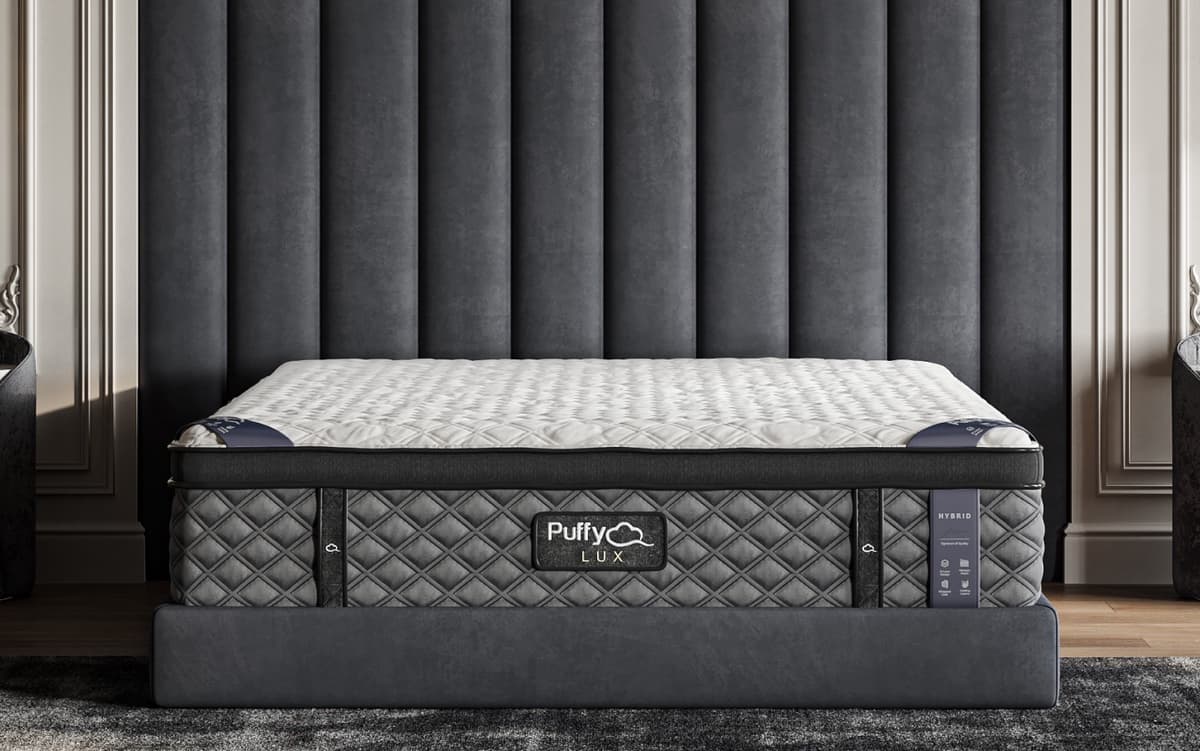
Puffy Lux Hybrid Mattress

Why it fits: deep pressure relief for side sleepers.

Pros

  • NapLab-tested 10/10 pressure relief and 9/10 cooling — not just Puffy's own claims
  • Wrapped coils are rated to support up to 300 lb per side across all sleep positions
  • Holds up well at the edge (8.7/10 tested) despite the plush medium feel

Cons

  • Off-gassing lasted 23 days in independent testing — well above the 7-day average for the category
  • Motion transfer is only middling for a hybrid (7.4/10) — restless co-sleepers may still notice movement
  • At $799 it sits right at the budget/mid price boundary; Puffy's own sale pricing shifts often
Also ConsiderHybridMid-range

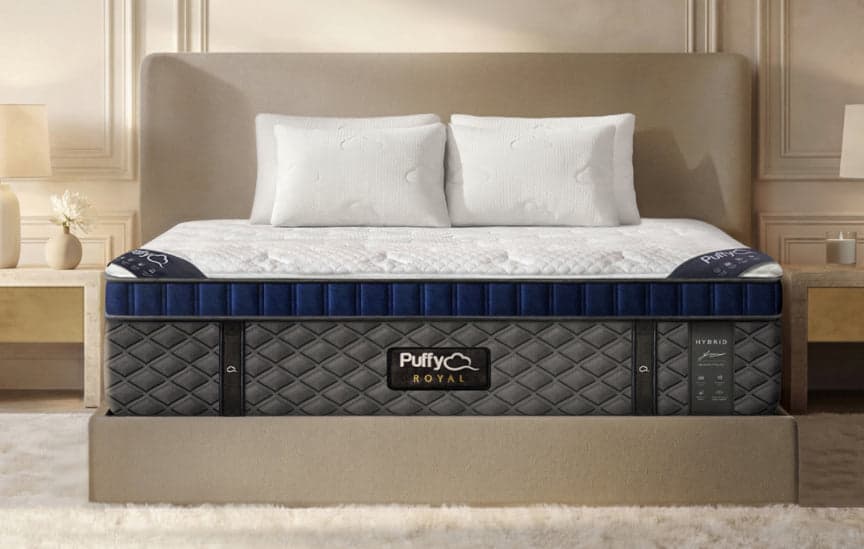
Puffy Royal Hybrid Mattress

Why it fits: deep pressure relief for side sleepers.

Pros

  • A 7" comfort layer (vs. a 4.1" category average) gives genuinely dramatic contouring — tested "outstanding" pressure relief in every sleep position
  • Independent testing found it suitable for all body weights, not just lighter sleepers
  • Wool-blend cover absorbs up to 30% moisture for a measurably drier sleep surface

Cons

  • Thick foam comfort layers compress at the perimeter — testers found it "moderately challenging" to sit on the edge
  • 14" profile is heavier and slower to reposition on than Puffy's firmer, thinner tiers
  • A real step up in price over Lux Hybrid for what's mostly incremental thickness/plushness
Best ValueMemory foamBudget

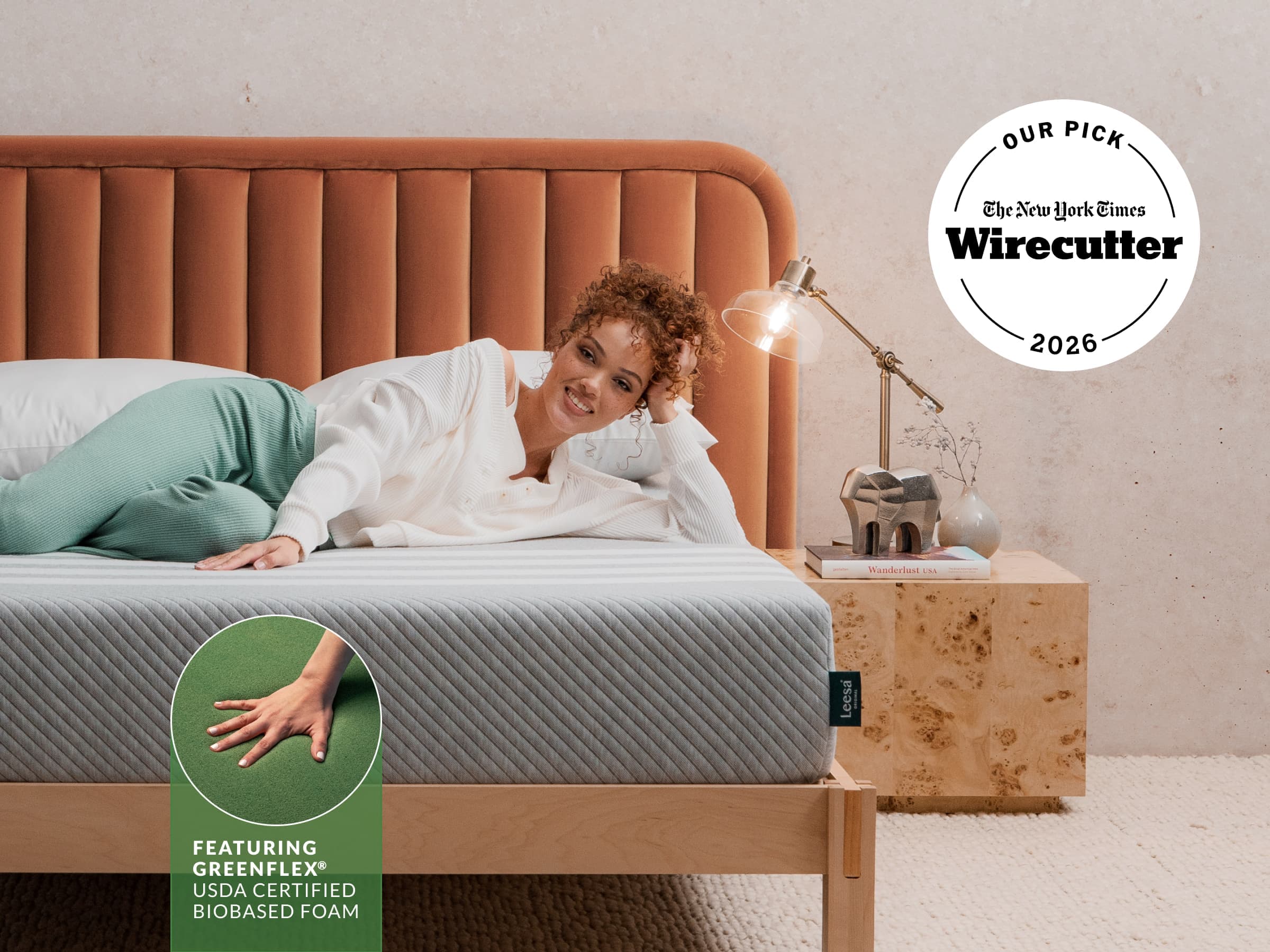
Puffy Cloud Mattress

Why it fits: deep pressure relief for side sleepers.

Pros

  • Cheapest way into the Puffy lineup — NapLab's tested top-10 memory-foam performer (8.87/10 overall)
  • Gel foam + poly foam comfort layers genuinely sleep cool for an all-foam bed, not just marketing copy
  • Excellent motion isolation for co-sleepers — no coil bounce to transfer movement
  • 365-night trial, free shipping/returns, lifetime warranty

Cons

  • NapLab explicitly cautions it's not ideal for sleepers over ~250 lb — only a 6" support core under 4" of comfort foam
  • All-foam construction sinks and responds more slowly than Puffy's hybrid tiers
  • No coil-reinforced edge, despite a good tested edge-support score — heavier weight at the perimeter still compresses more than a hybrid
AlternativeLatexMid-range

Eco Terra 11" Medium-Firm Luxury Latex Mattress

Why it fits: deep pressure relief for side sleepers.

Pros

  • 100% natural latex over fabric-encased coils — no "quicksand" sink-in feel typical of all-foam budget beds
  • Latex sleeps meaningfully cooler than memory foam without needing a gel infusion
  • Organic cotton cover, with repeat appearances across two of the site's roundups

Cons

  • Costs more than this catalog's budget latex option (LUCID) for a similarly latex-hybrid construction
  • Latex's natural bounce transfers more motion than memory foam — a factor for light sleepers sharing a bed
  • Only offered in one firmness tier for this listing — no soft option
AlternativeMemory foamBudget

Snuggle-Pedic Mattress

Why it fits: deep pressure relief for side sleepers.

Pros

  • "Flex Support" open-cell foam marketed to breathe far more than standard memory foam — a cooler-sleeping option for hot sleepers who still want an all-foam feel
  • Bamboo-blend cover adds a soft, breathable top layer
  • Made-in-USA construction

Cons

  • Firm-leaning single firmness — no softer option for side sleepers wanting more shoulder/hip give
  • No coil layer, so heavy-support and edge-support both trail this catalog's hybrid picks
  • Live Amazon pricing (~$400s) runs well under this catalog's original mid-tier estimate — repriced down since the source roundups were written

Compare these mattresses

Comparison of the recommended mattresses
MattressTypeFirmnessPriceStands out for
Puffy Lux Hybrid MattressHybrid5–6/10BudgetPressure relief
Puffy Royal Hybrid MattressHybrid4–6/10Mid-rangePressure relief
Puffy Cloud MattressMemory foam4–6/10BudgetCooling
Eco Terra 11" Medium-Firm Luxury Latex MattressLatex6–7/10Mid-rangeCooling
Snuggle-Pedic MattressMemory foam7–8/10BudgetMotion isolation

What to look for

Never cut the comfort layer

This is the one thing a side sleeper can't compromise on at any price. You need at least 3 inches of soft, conforming foam so the shoulder and hip sink in; a thin cheap comfort layer bottoms out and presses the hip into the firm core, which defeats the whole point. Check the comfort-layer thickness before anything else.

Know which corners are safe to cut

To hit a budget, it's fine to give up premium covers, fancy cooling systems, and heavy-duty edge support — a solo side sleeper rarely uses the edge much anyway. These are the features that inflate price without changing the pressure relief that actually matters for your shoulder and hip.

Foam beats hybrid for cheap pressure relief

A bed-in-a-box all-foam mattress delivers the conforming, pressure-relieving feel a side sleeper needs without paying for a coil system. Since your body weight on your side won't stress a support core the way a heavier back or stomach sleeper would, foam is both cheaper and well-suited here — reserve the hybrid premium for profiles that truly need coils.

Use a topper as a budget lever

If you find a supportive but too-firm bed on sale, a 2 to 3 inch soft memory foam topper adds side-sleeper cushioning for a fraction of a new mattress. Buying a firmer inexpensive base plus a plush topper can land you at the right feel for less than a single mid-tier soft mattress.

Frequently asked questions

What is the best affordable mattress for side sleepers?

A bed-in-a-box memory foam mattress at a soft to medium-soft 4 to 6 feel, with at least 3 inches of comfort foam. Foam delivers the pressure relief a side sleeper needs without the added cost of a coil system, making it the best value for this profile. Just don't sacrifice comfort-layer thickness to hit a lower price.

Are cheap memory foam mattresses good for side sleepers?

They can be a great match, because foam's conforming feel is exactly what a side sleeper needs and it's cheaper to make than a hybrid. The one thing to check is that the comfort layer is at least 3 inches; the cheapest beds skimp there, which lets the hip and shoulder bottom out onto the firm core.

Can a mattress topper make a firm bed work for side sleeping?

Yes, often — a 2 to 3 inch soft memory foam topper adds the sink a side sleeper needs so the shoulder and hip aren't pressed into a hard surface. Buying an inexpensive firmer bed plus a plush topper is a legitimate budget path to the right feel, as long as the base itself isn't sagging.

Keep exploring